01
Depleted soil, declining returns
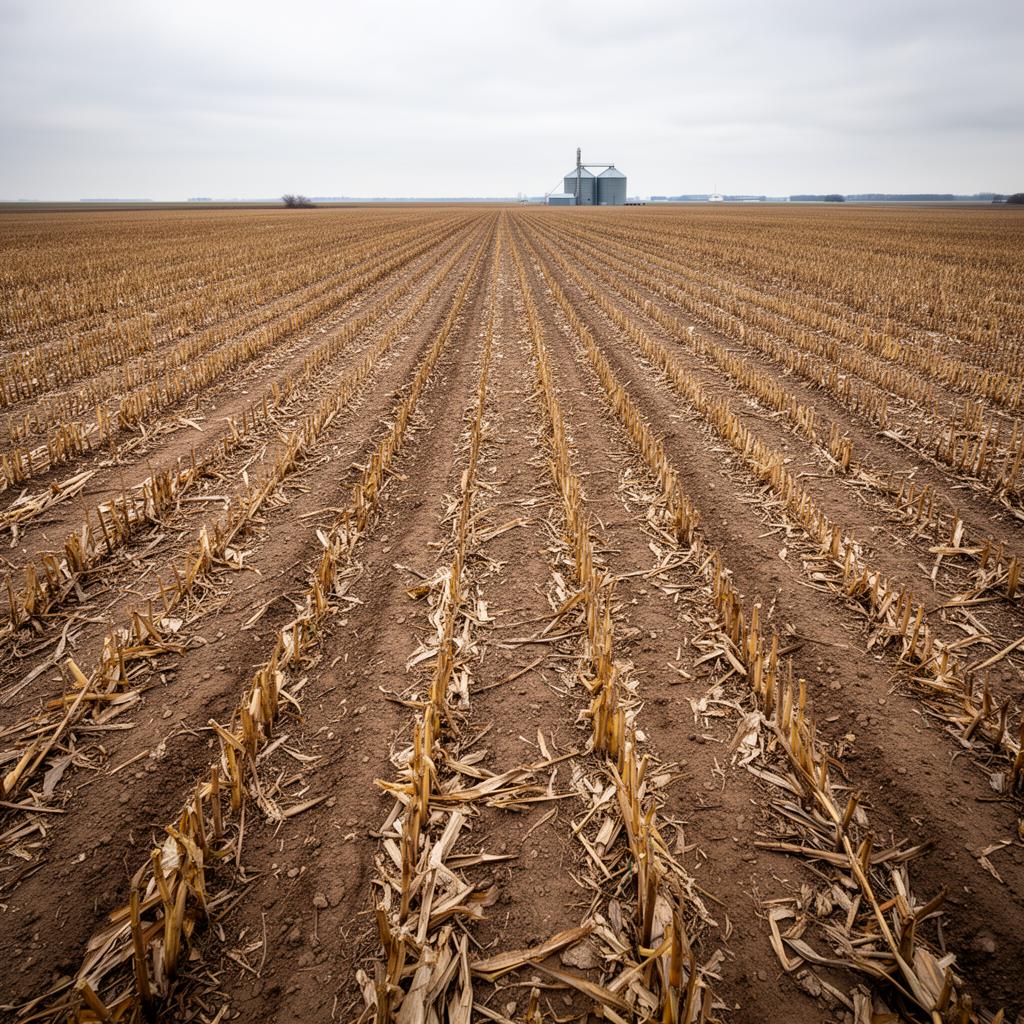
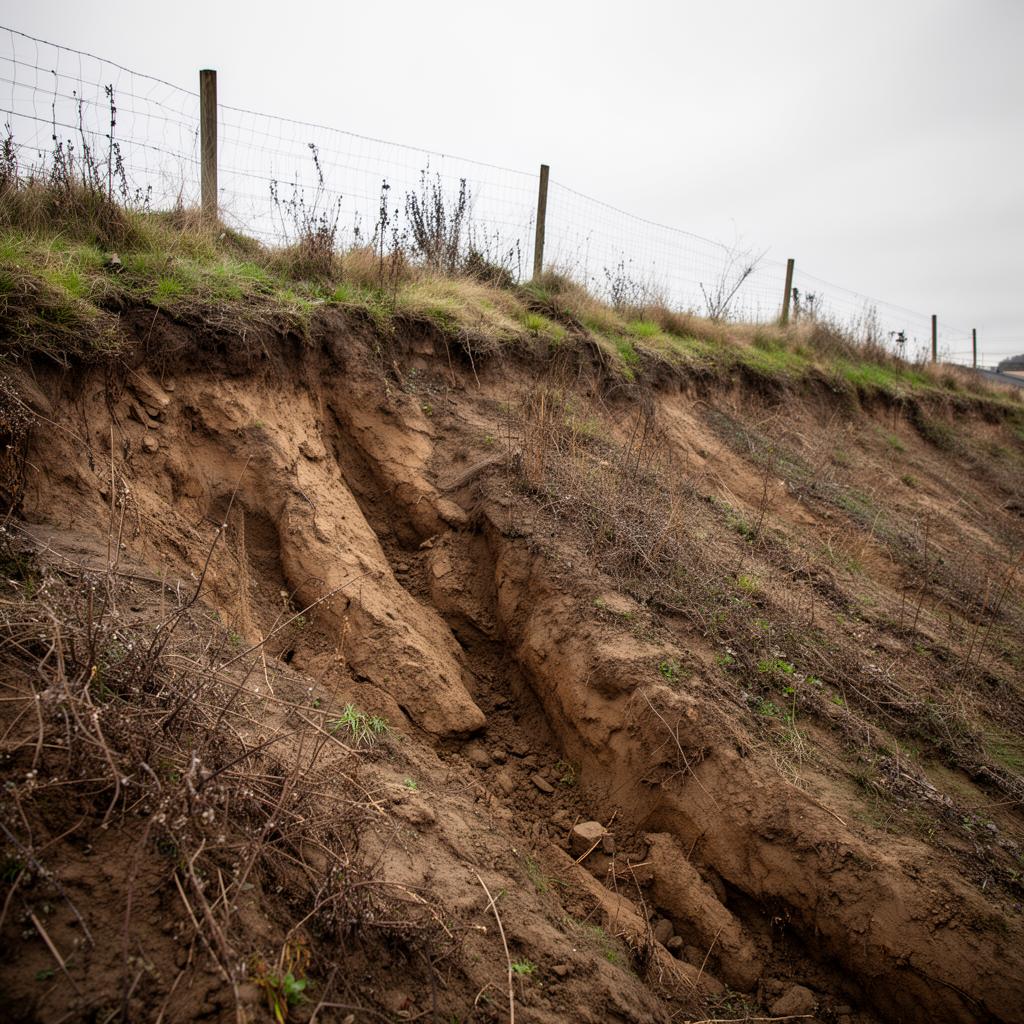
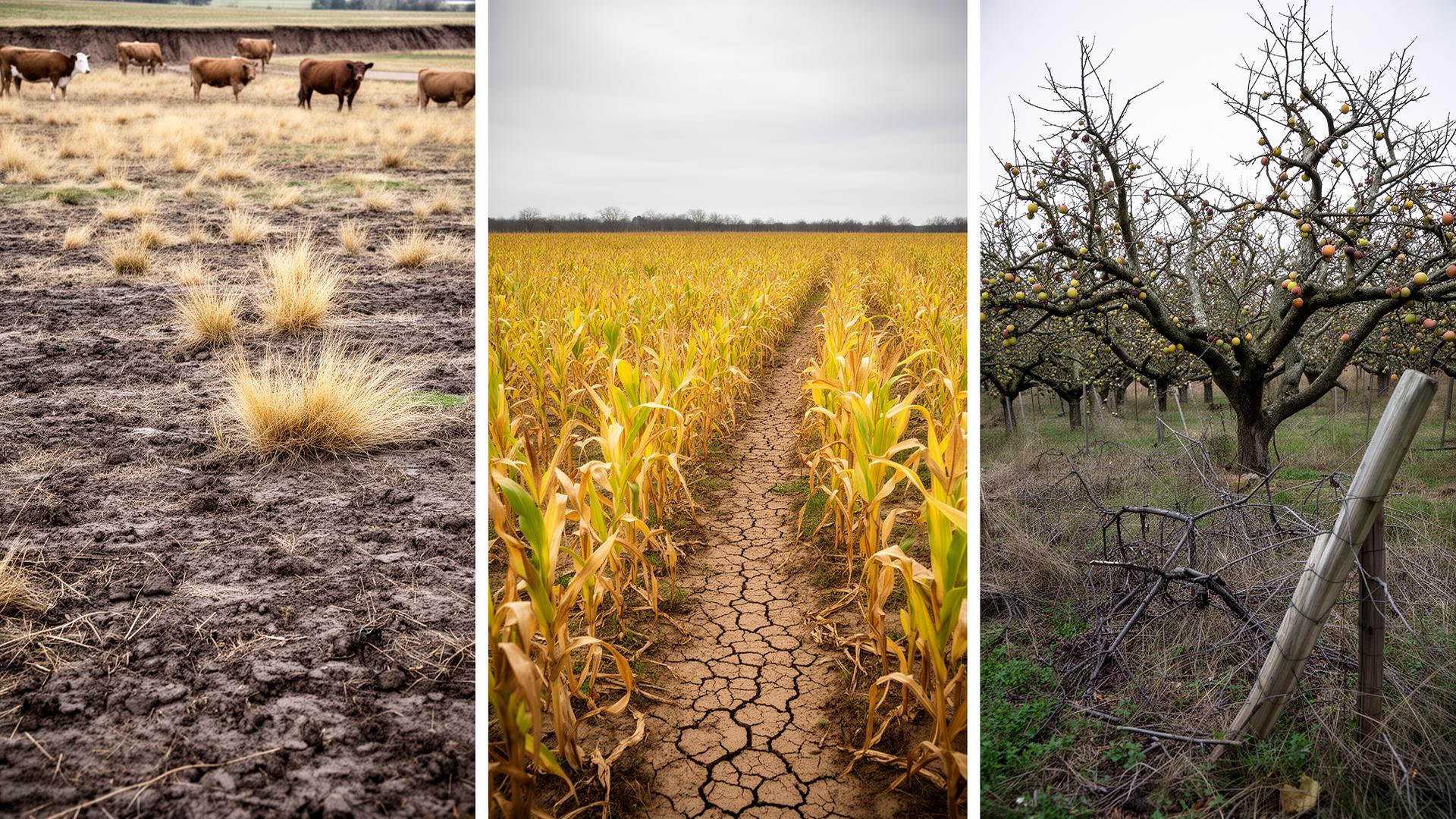
Tilled, depleted, or compacted soils erode margins season after season — and erosion itself becomes the headline risk.
For private landowners, estates & food enterprises
Steward productive land so it produces more, supports more life, & is worth more, for the next generation, not the next quarter.
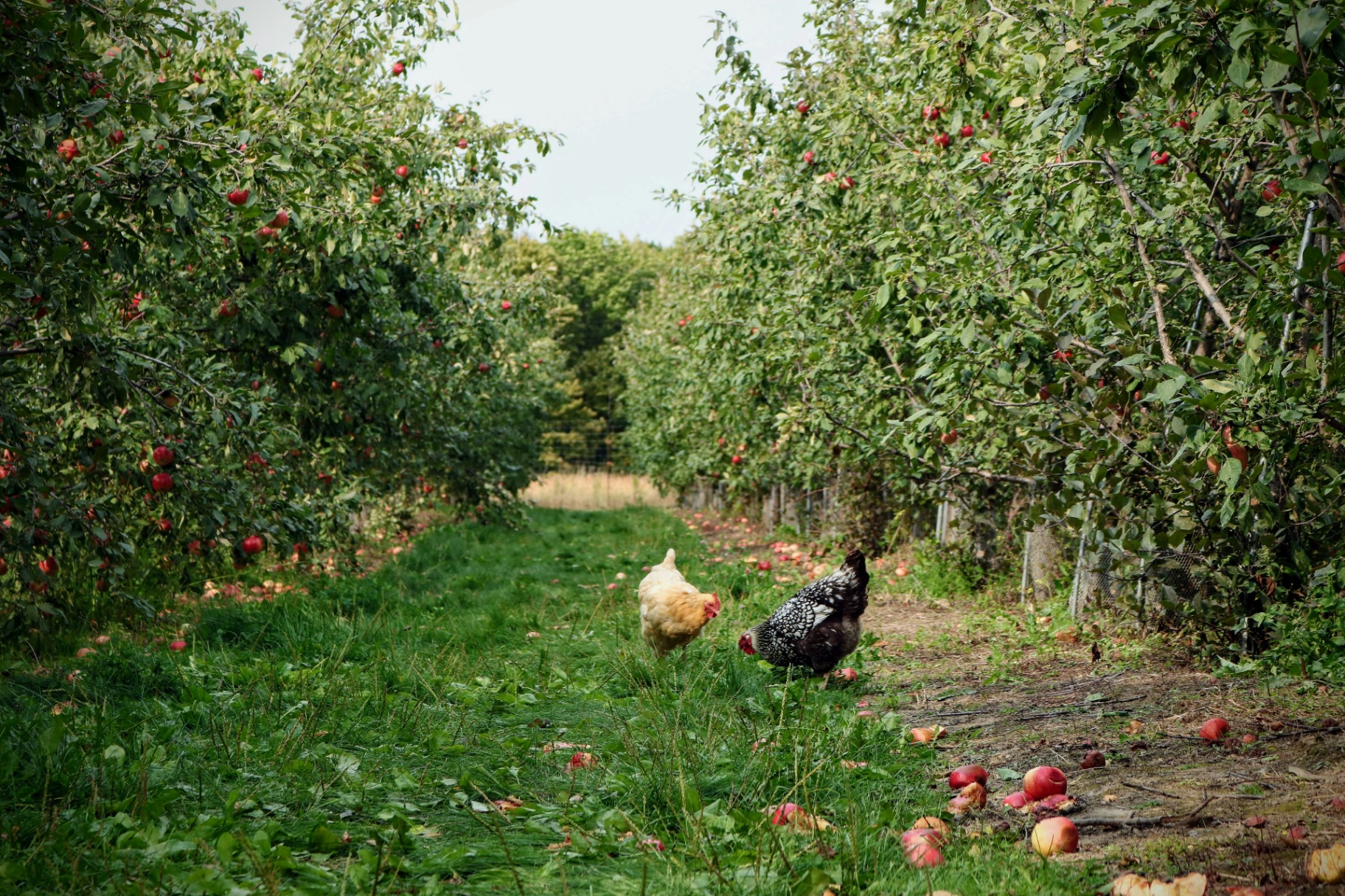
The problem
Yield expectations, biodiversity expectations, certification expectations, and climate volatility all land on the same hectare. Conventional stewardship was not designed for this load.
Tilled, depleted, or compacted soils erode margins season after season — and erosion itself becomes the headline risk.
Fertiliser, irrigation, and pesticide cost curves now move faster than commodity prices in either direction.
Land changes hands without a plan, and decades of practice walk out the door with the previous steward.
Tilled, depleted, or compacted soils erode margins season after season — and erosion itself becomes the headline risk.
Fertiliser, irrigation, and pesticide cost curves now move faster than commodity prices in either direction.
Land changes hands without a plan, and decades of practice walk out the door with the previous steward.
What is actually at stake
Productivity, biodiversity, and resale value erode together — not always visibly, but always measurably.
Estate owners
Stewardship cost lines drift upward; ecological story remains undocumented for buyers and lenders.
Regenerative producers
Ambition outruns design — pilots succeed, scale-up stalls without a coherent agro-ecological plan.
Conservation-minded owners
Restoration and production are pitched as a trade-off when they should be designed as one system.
The R3 approach
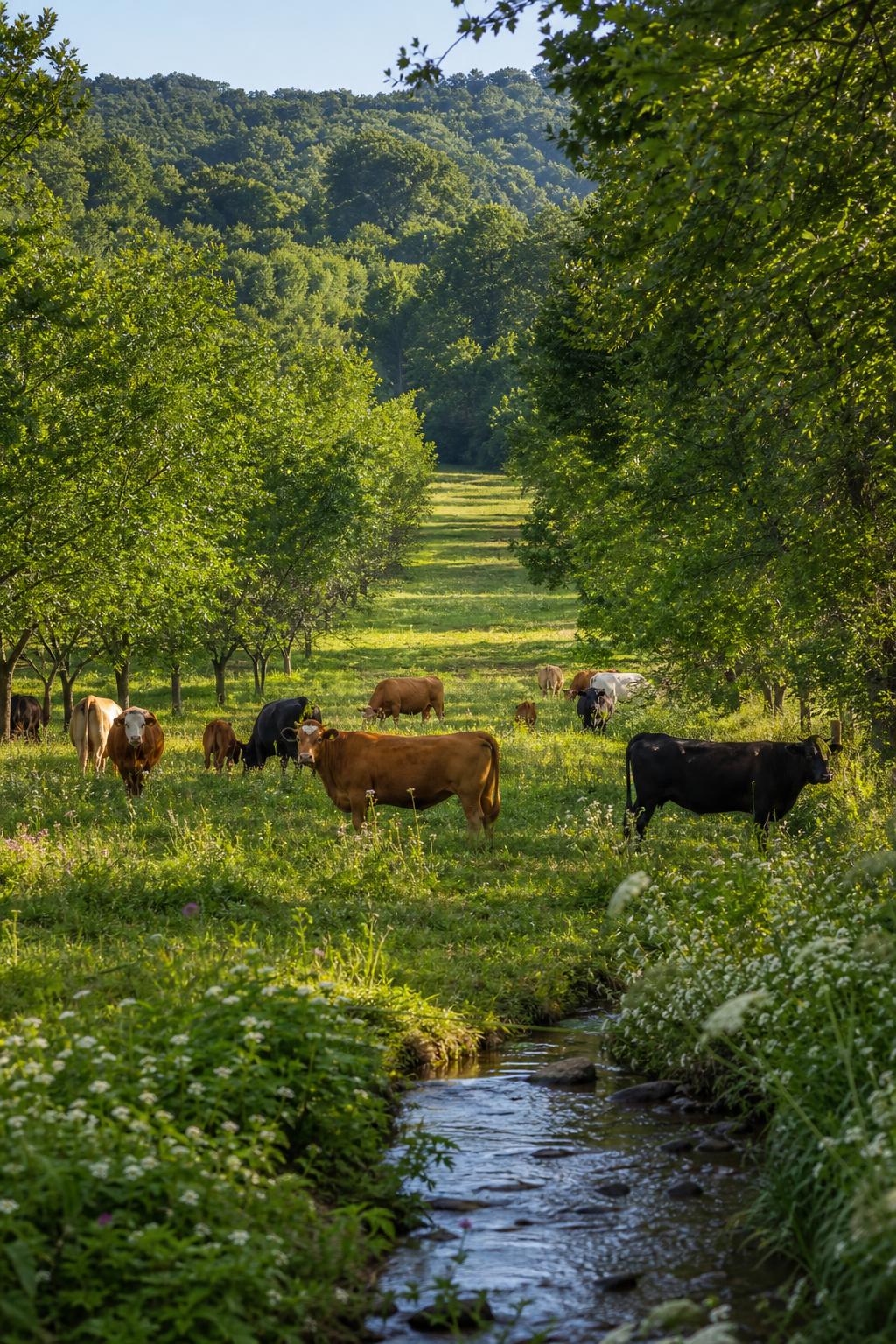
We design land where food, fibre, water, and biodiversity reinforce each other — and we plan the stewardship so it survives a succession.
How it works
Every engagement moves through the same structured sequence calibrated to the site, the system, and the people who steward it.
Read the system
Site, ecology, stakeholders, and regulatory frame — mapped before a single line is drawn.
Plan the long arc
Multi-phase strategy designed by R3 — with licensed engineers, landscape architects, or other technical partners brought in on an as-needed basis.
Deliver with care
We work alongside trusted technical specialists to oversee implementation — clear milestones, compliance, and ecological intent held throughout.
ADAPT OVER TIME
Ecological and social metrics defined for your unique project feed an adaptive loop so outcomes hold up over decades.
Expected outcomes
Stewardship plans are designed to build soil, biodiversity, and financial resilience together — compounding over seasons rather than promising a single-season jump.
Soil-first design intended to rebuild organic matter, biology, and water-holding capacity season over season.
Closed nutrient and water loops that may reduce dependence on fertiliser, irrigation, and pesticide over time.
Documented protocols and training plans so the land’s value outlives any single steward.
See the possibilities in transformation...
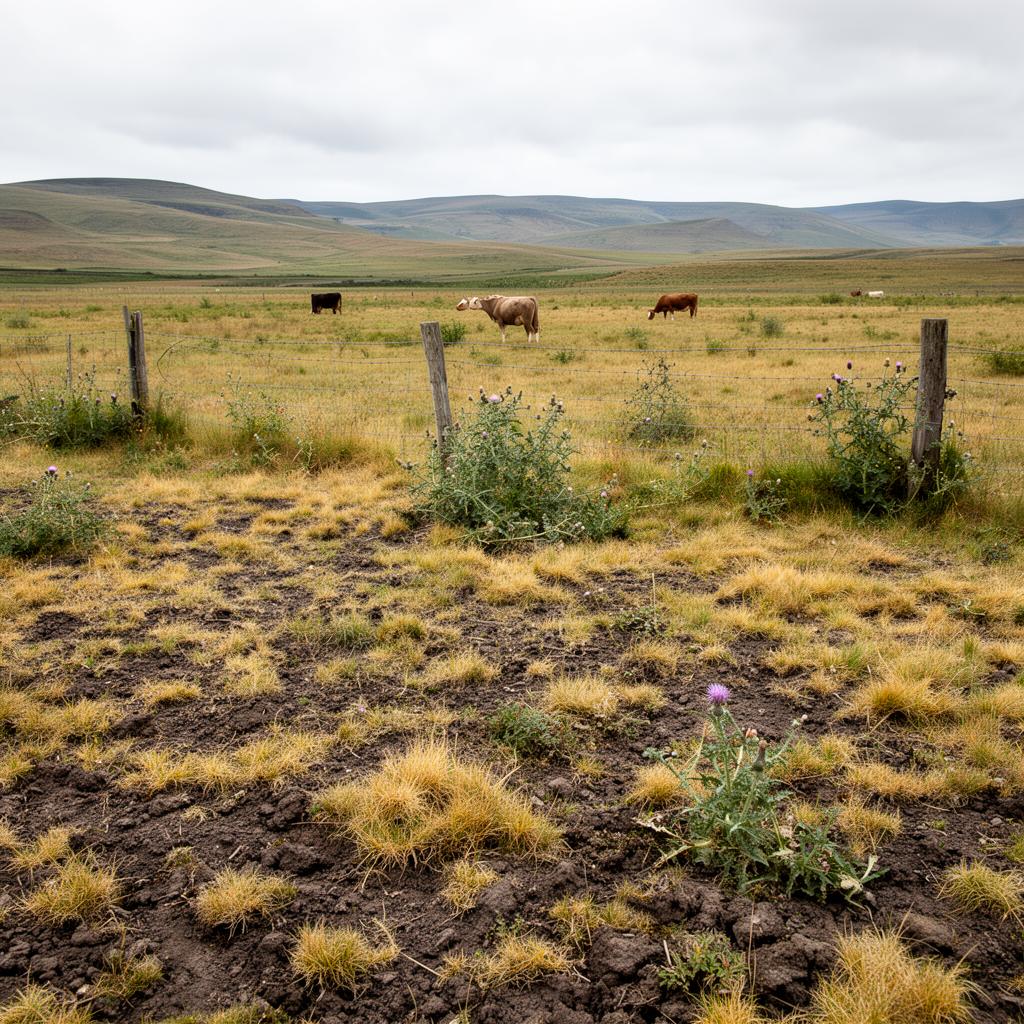
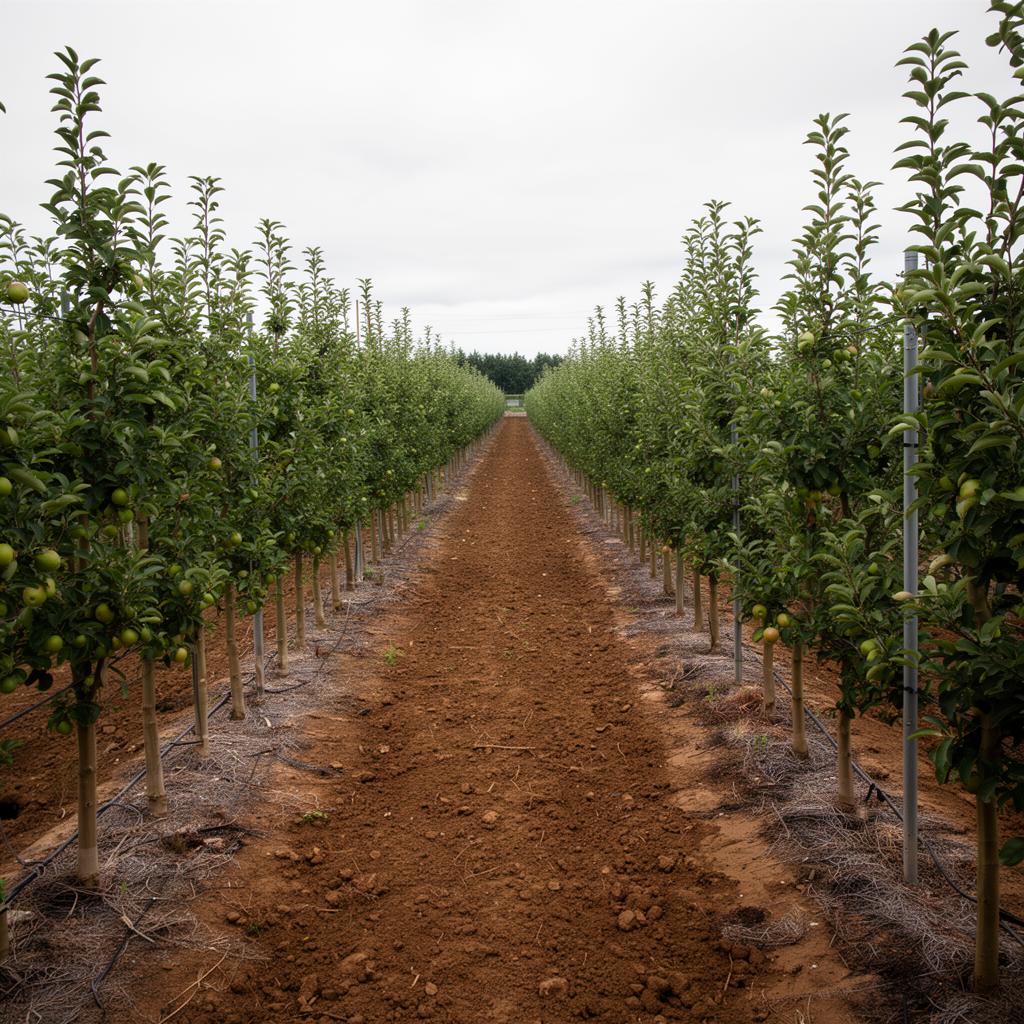
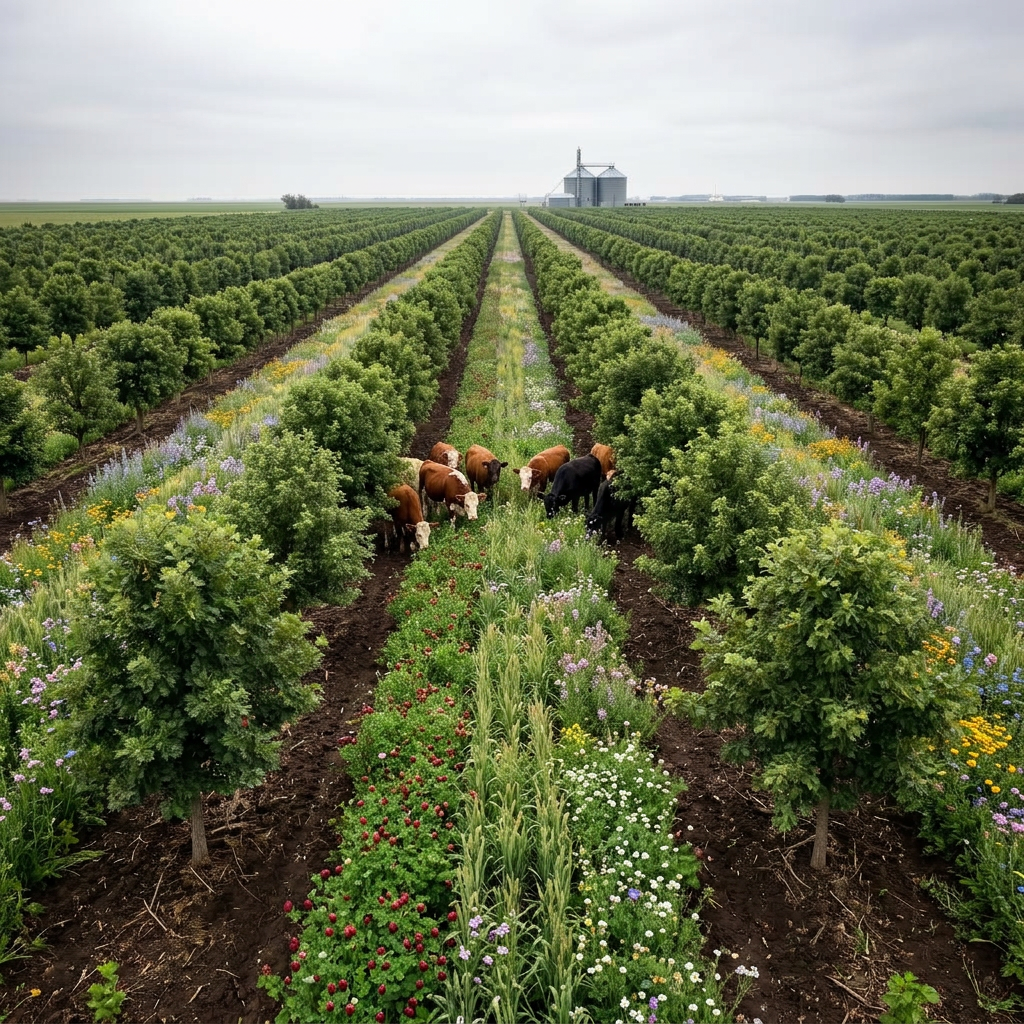
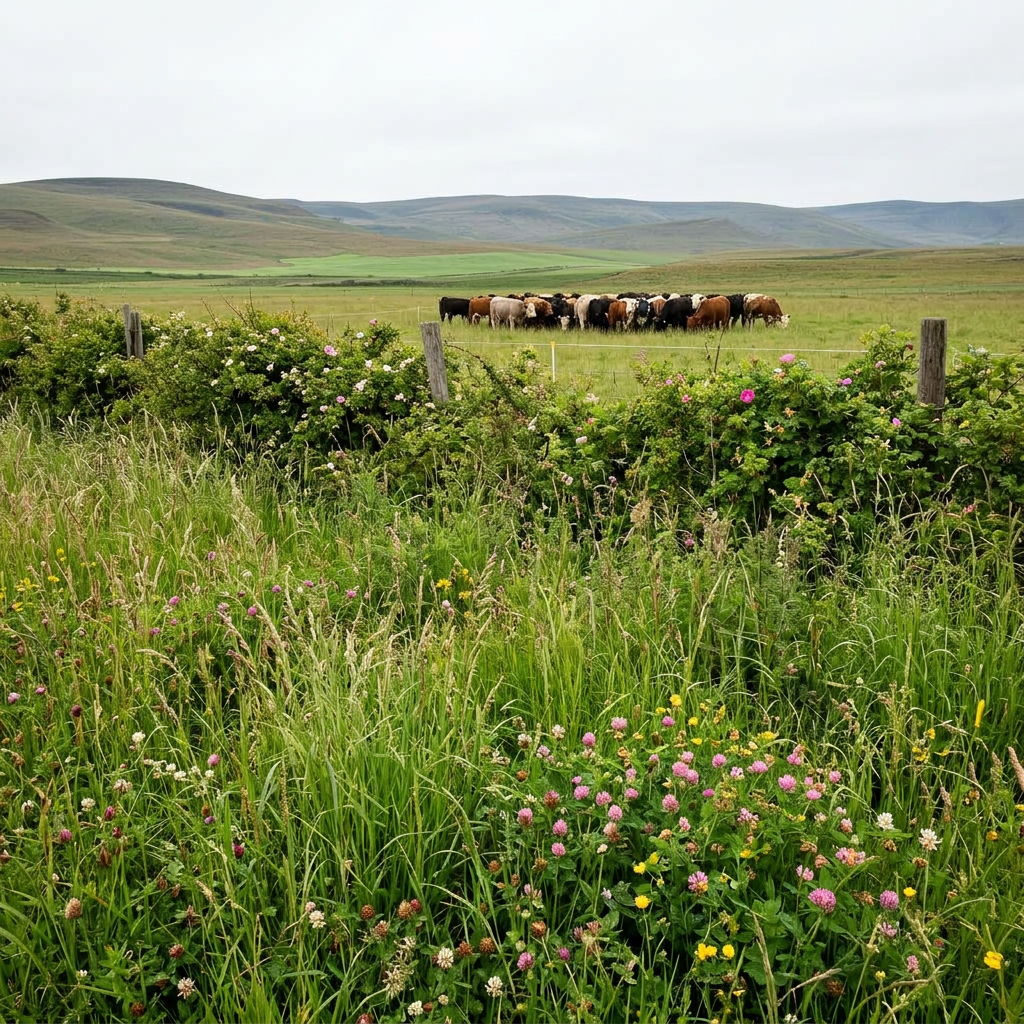
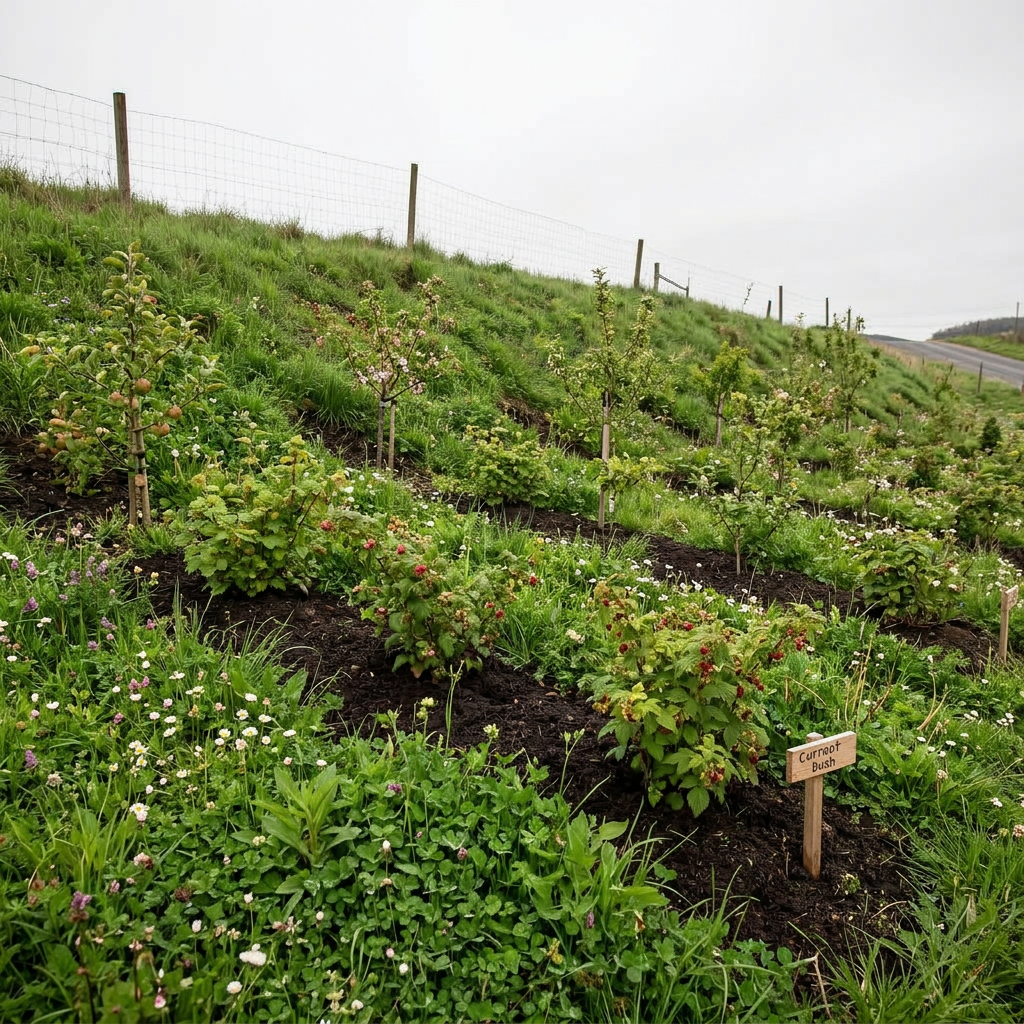
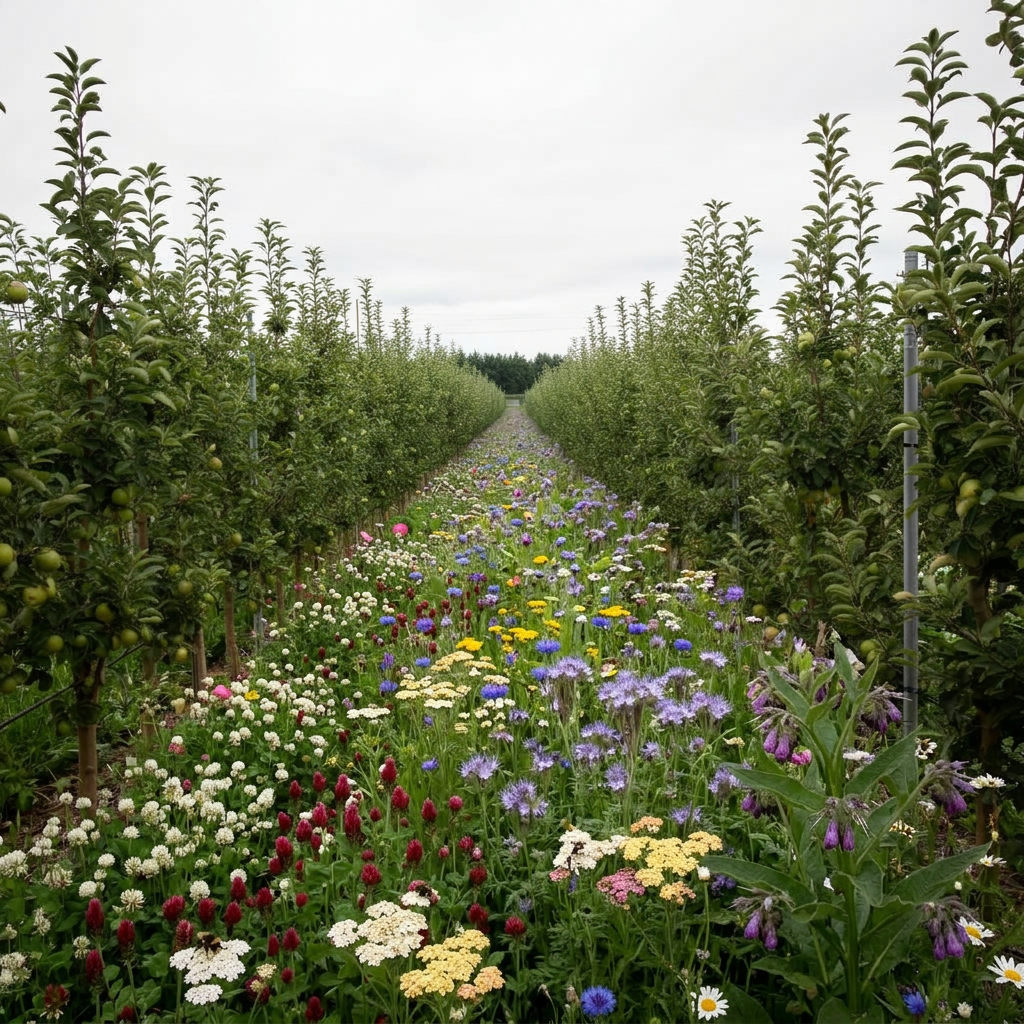
Same field, same fence line — what changes is the biology in the soil and the structure above it. Four representative stewardship arcs across the working land we work with most.
Sample outputs
Stewardship engagements produce design, planning, and management documentation tailored to the scale of land — from smallholder lots to institutional estates.
Tailored to climate, soils, hydrology, and bioregion — with productive and conservation zones interlocked.
Edible, medicinal, structural, and ecological-function species with succession and guild logic.
Functional zoning for production, conservation, and habitat corridors across the property.
Hedgerows, riparian buffers, and habitat features woven through productive zones.
Cover cropping, composting, and mycorrhizal inoculation strategies sequenced to the seasons.
Seasonal task sequencing with recommended sourcing partners and labour windows.
Monitoring indicators, adaptive management strategies, and succession-ready documentation.
Market integration strategy and cooperative-development planning for producers scaling up.
Why it matters
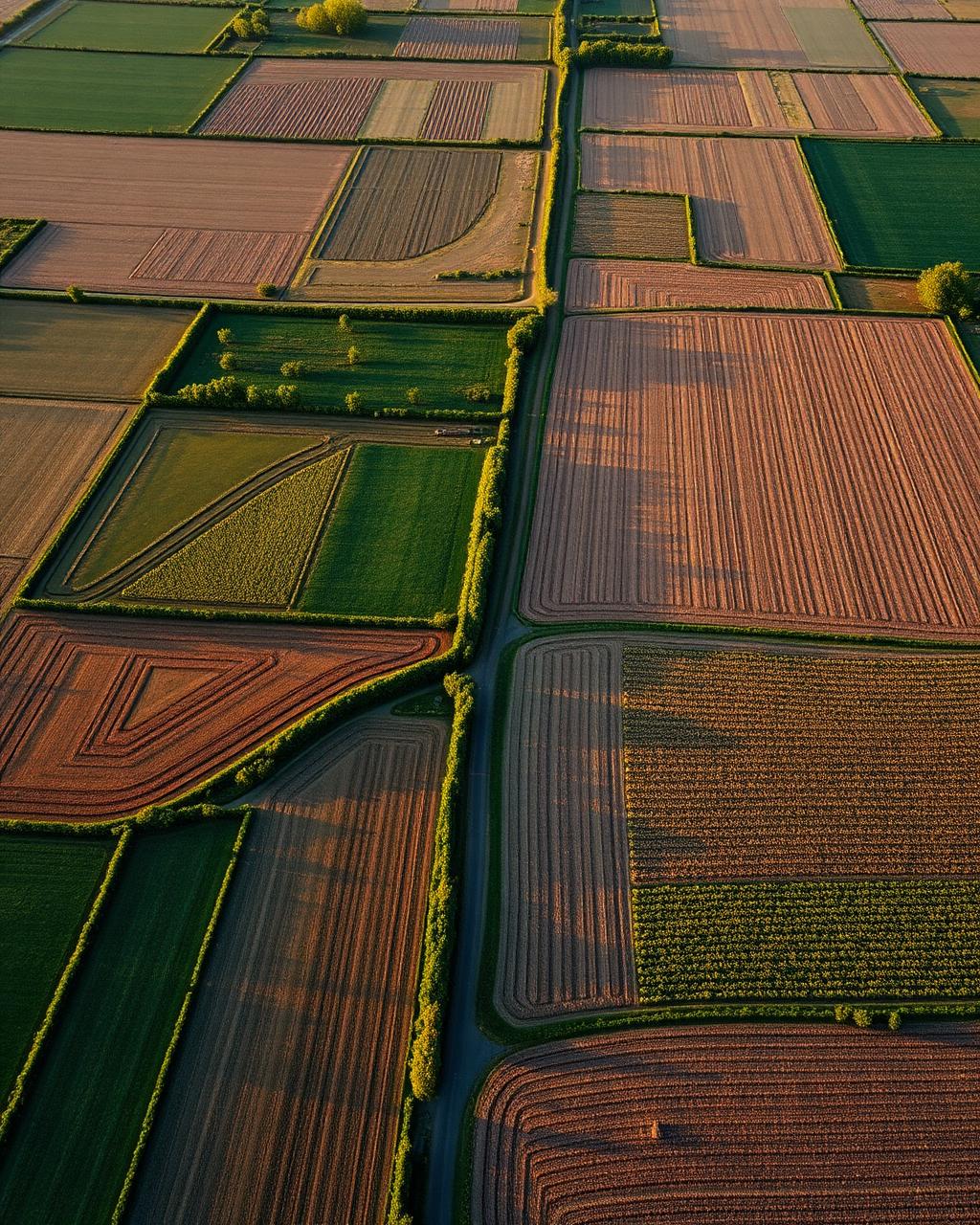
Globally, nearly 75% of agricultural land is degraded due to unsustainable practices (FAO, 2021). The need for productive systems that also regenerate ecosystems is no longer a niche question — it is the operating constraint for food security, rural livelihoods, and climate adaptation.
Ecologically, agro-ecological stewardship enhances biodiversity, rebuilds soil structure, and restores water cycles by integrating deep-rooted perennials, fungi, and tree-based systems. Socially, it reconnects communities to food systems and strengthens place-based livelihoods.
Economically, it reduces input costs, builds resilience to climate volatility, and opens pathways to ecosystem-service compensation such as carbon and biodiversity credits. Done well, these systems become multifunctional — sequestering carbon, producing food, and protecting biodiversity at the same time.
Case example
12 hectares transitioned from annual monoculture to diversified perennial systems.
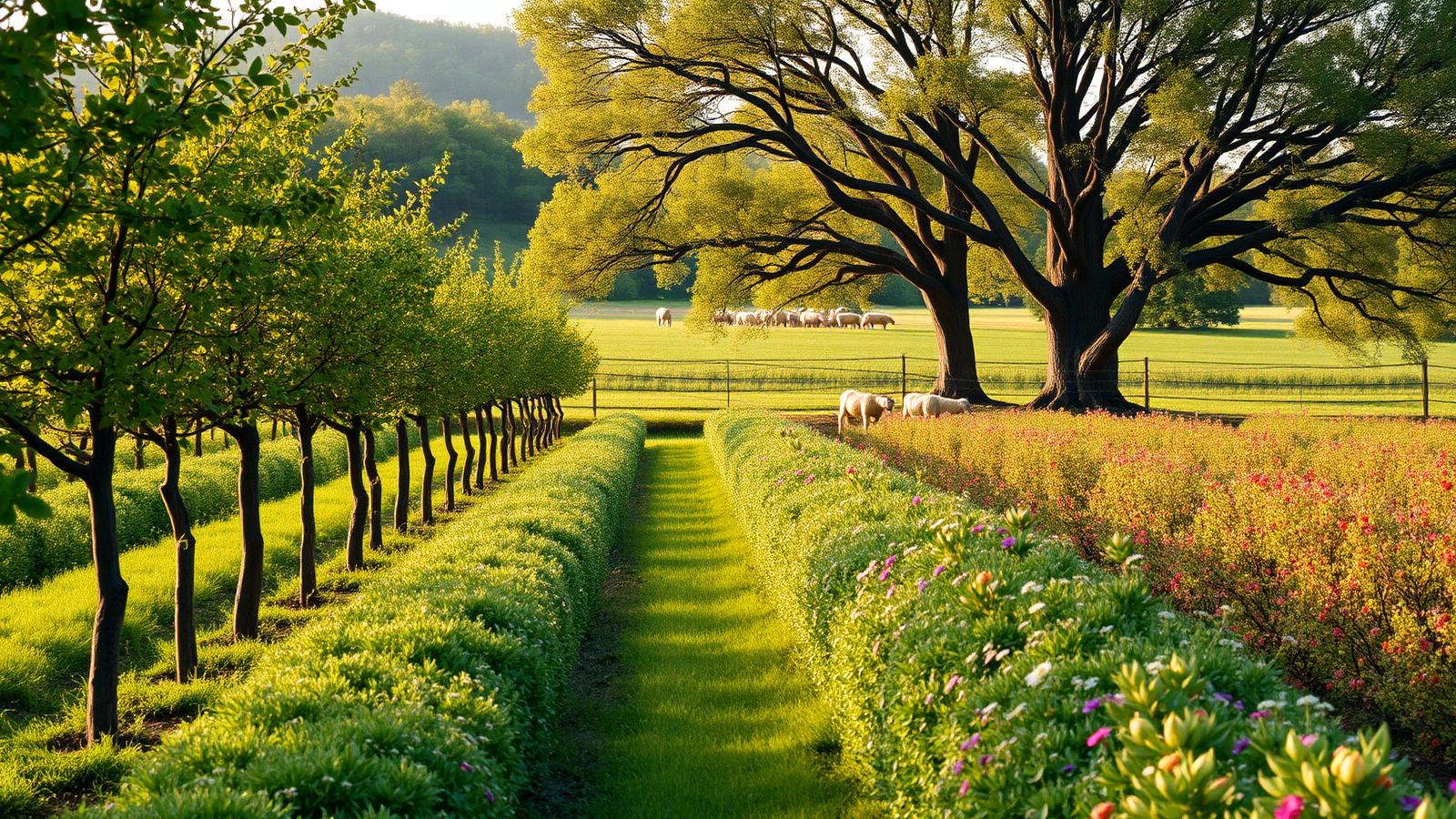
In 2020, Ferme Cadet-Roussel in Montérégie partnered with ecological designers to convert 12 hectares from annual monoculture into a diversified perennial agroforestry system — implementing silvopasture corridors, mycorrhizal fungal inoculation, and integrated pollinator hedgerows.
Within three years, soil organic matter increased by 30%, input costs dropped by 25%, and biodiversity monitoring recorded higher bee and bird populations across the site — strengthening both ecological health and the economic resilience of the operation.
Soil organic matter in three years
Input costs across the operation
Bee and bird populations recorded on-site
Stewardship work starts with a site visit and a plain conversation about what the land is, what it could be, and what it would take.