01
Stormwater failure
Pipes sized for last century's rainfall are flooding streets and basements that were never supposed to flood.
For municipalities, developers & campus operators
Design cities & campuses that absorb storms, cool streets, & host biodiversity, without losing buildable land.
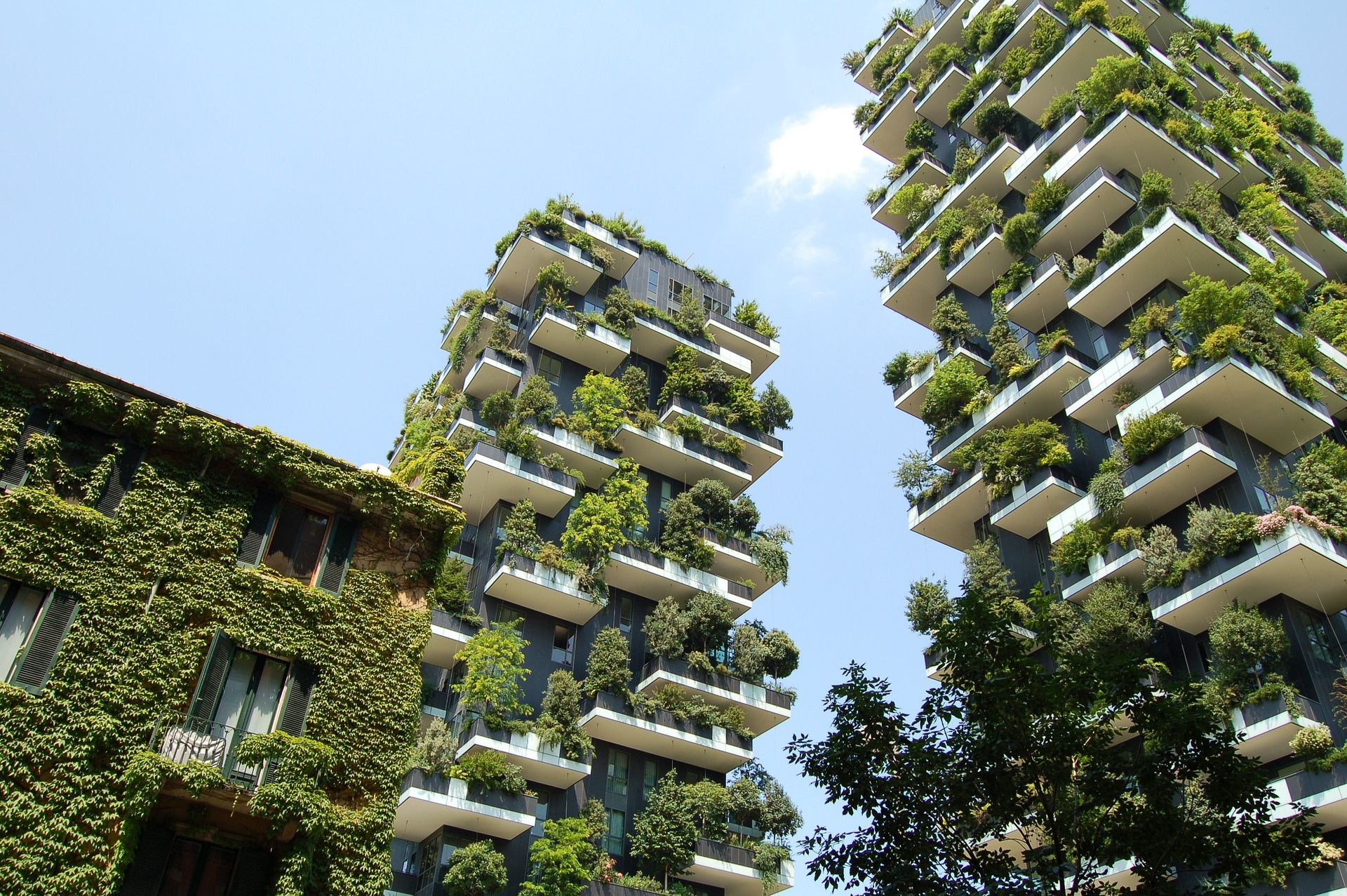
The problem
Stormwater volumes, heat events, and biodiversity expectations are all rising at once, while grey-only infrastructure budgets are not.
Pipes sized for last century's rainfall are flooding streets and basements that were never supposed to flood.
Surface temperatures in hard-scaped districts now cross thresholds with measurable public-health and operating cost.
Permits, ESG reports, and capital sources increasingly ask the same question: where in the project is nature?
Pipes sized for last century's rainfall are flooding streets and basements that were never supposed to flood.
Surface temperatures in hard-scaped districts now cross thresholds with measurable public-health and operating cost.
Permits, ESG reports, and capital sources increasingly ask the same question: where in the project is nature?
What is actually at stake
When green infrastructure is treated as decoration, it underperforms hydraulically, dies under-watered, and erodes the very narrative it was meant to support.
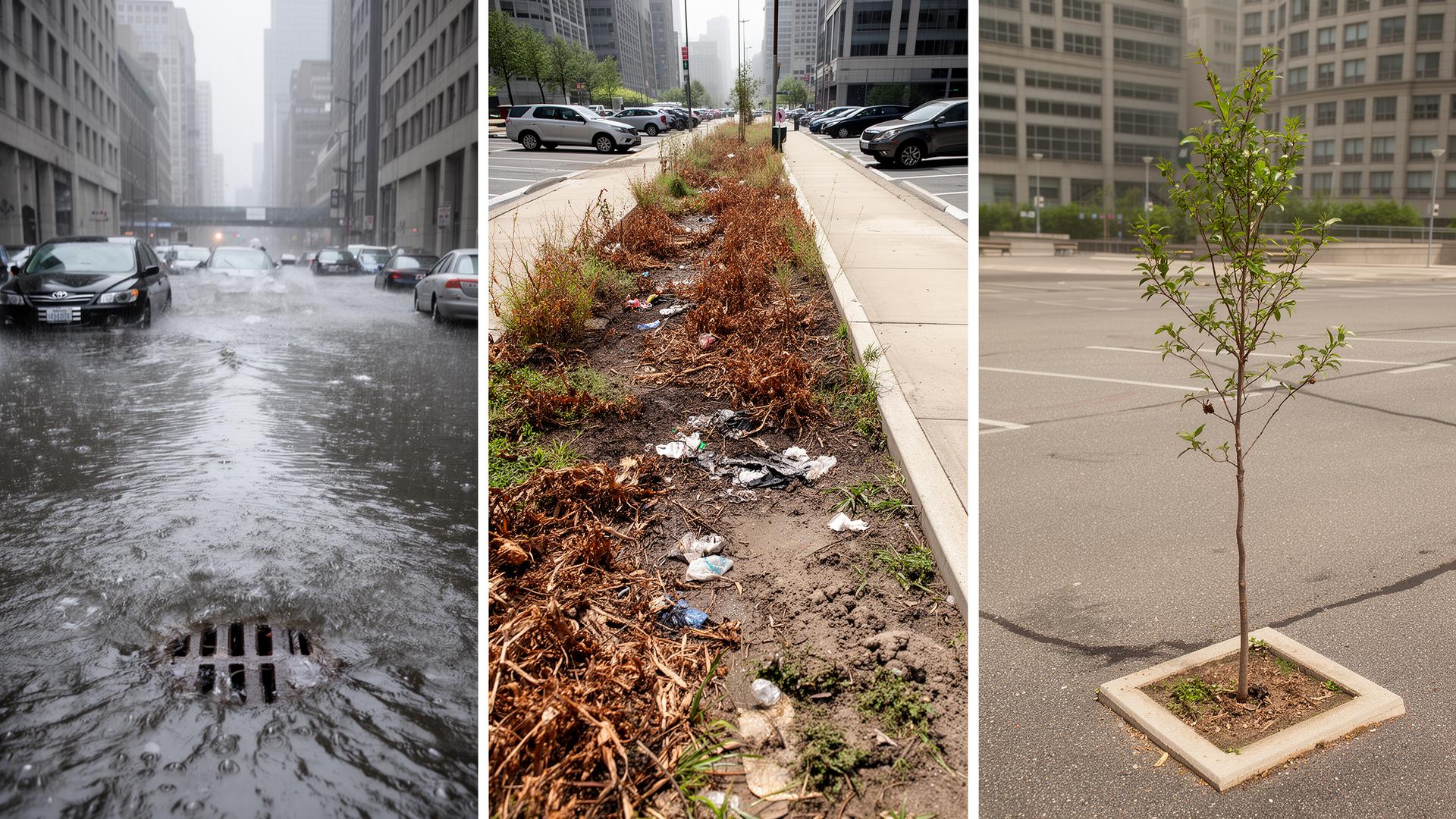
Municipal engineers
Green infrastructure has to demonstrate flow attenuation in litres, not in renderings.
Developers
Stormwater, biodiversity, and public amenity often compete—after key design decisions are made.
Campus operators
Maintenance teams inherit plant palettes they were never trained for, and the asset declines from day one.
The R3 approach
We design green and blue infrastructure as performing systems — sized for the storm, costed against the alternative, and specified so operations teams can keep it alive.
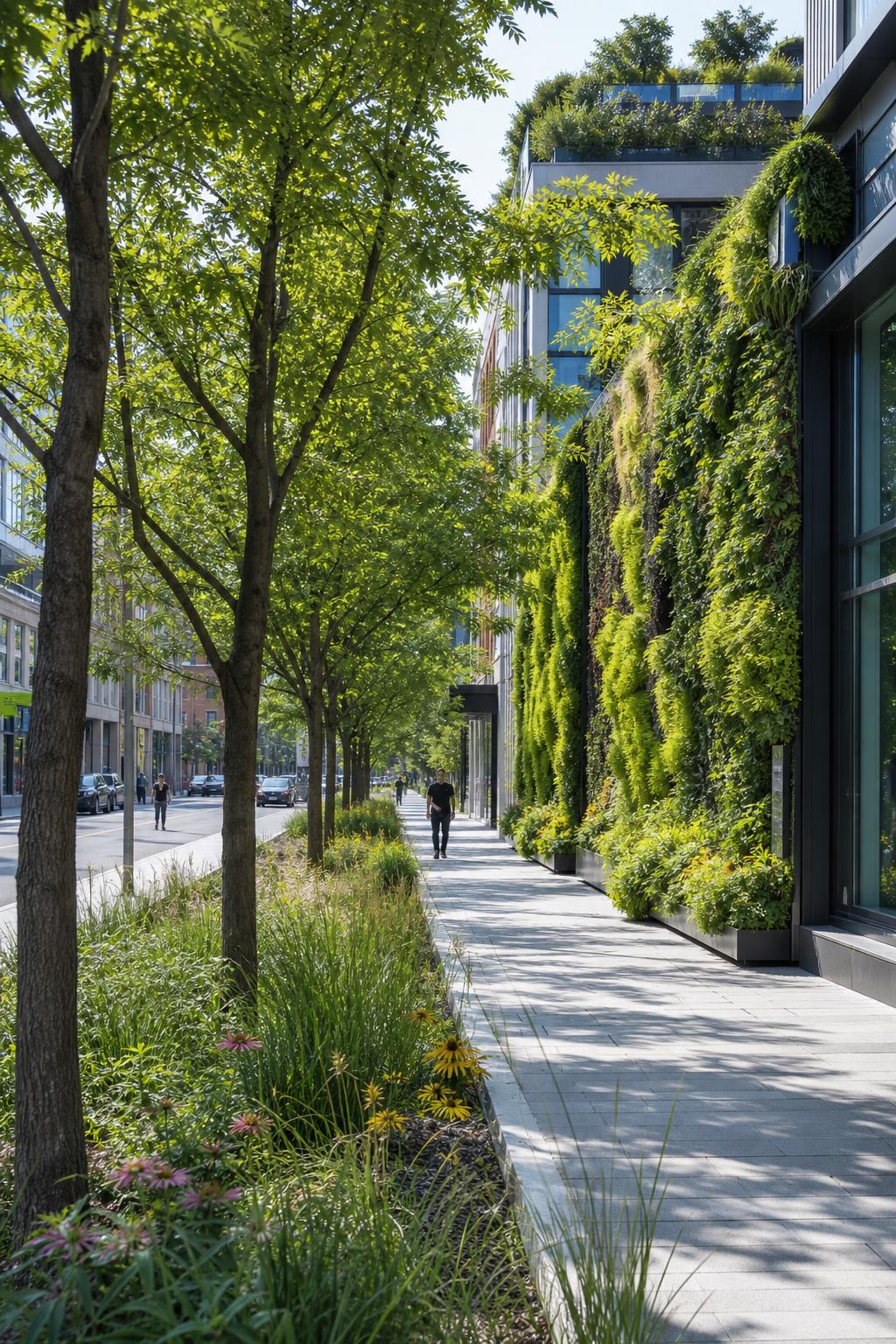
How it works
Every engagement moves through the same structured sequence calibrated to the site, the system, and the people who steward it.
Read the system
Site, ecology, stakeholders, and regulatory frame — mapped before a single line is drawn.
Plan the long arc
Multi-phase strategy designed by R3 — with licensed engineers, landscape architects, or other technical partners brought in on an as-needed basis.
Deliver with care
We work alongside trusted technical specialists to oversee implementation — clear milestones, compliance, and ecological intent held throughout.
ADAPT OVER TIME
Ecological and social metrics defined for your unique project feed an adaptive loop so outcomes hold up over decades.
Expected outcomes
Green and blue infrastructure is designed to carry water, cool the air, and add ecological function to the same parcel.
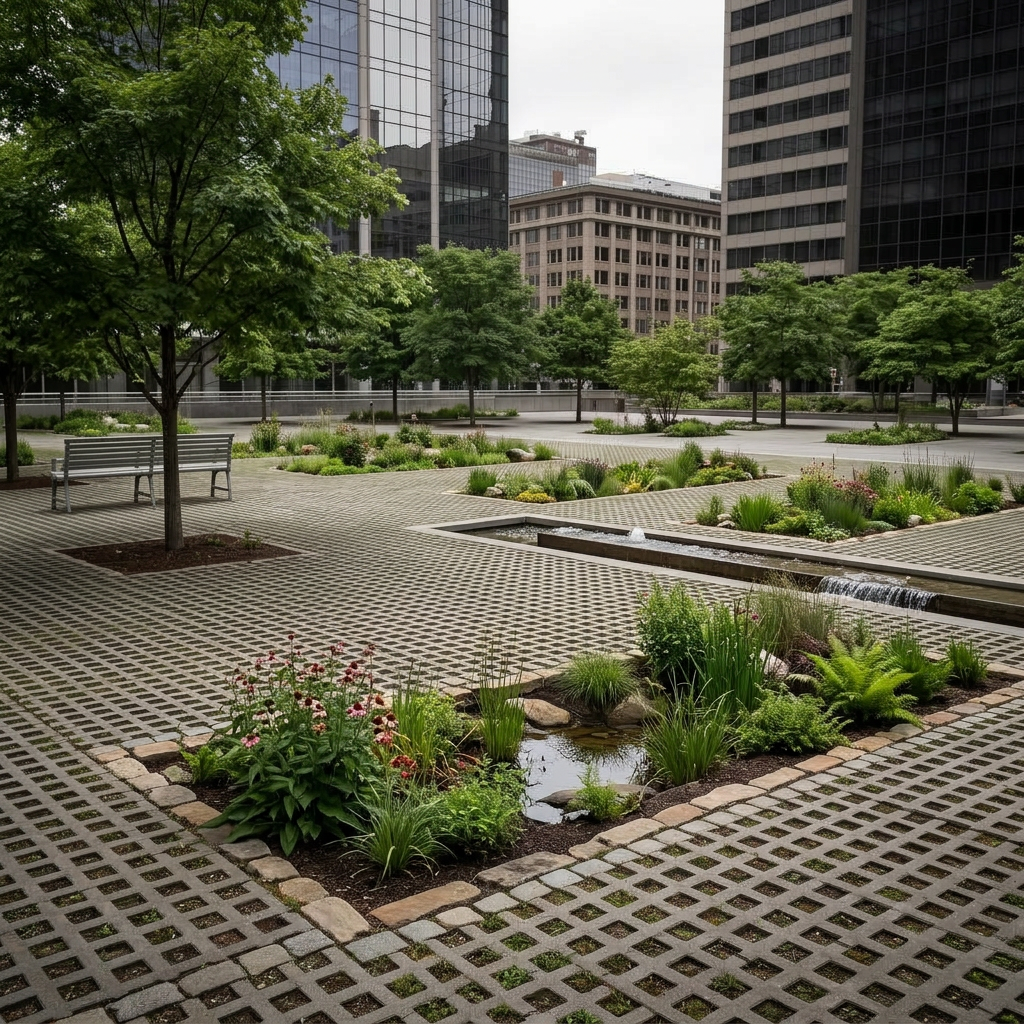
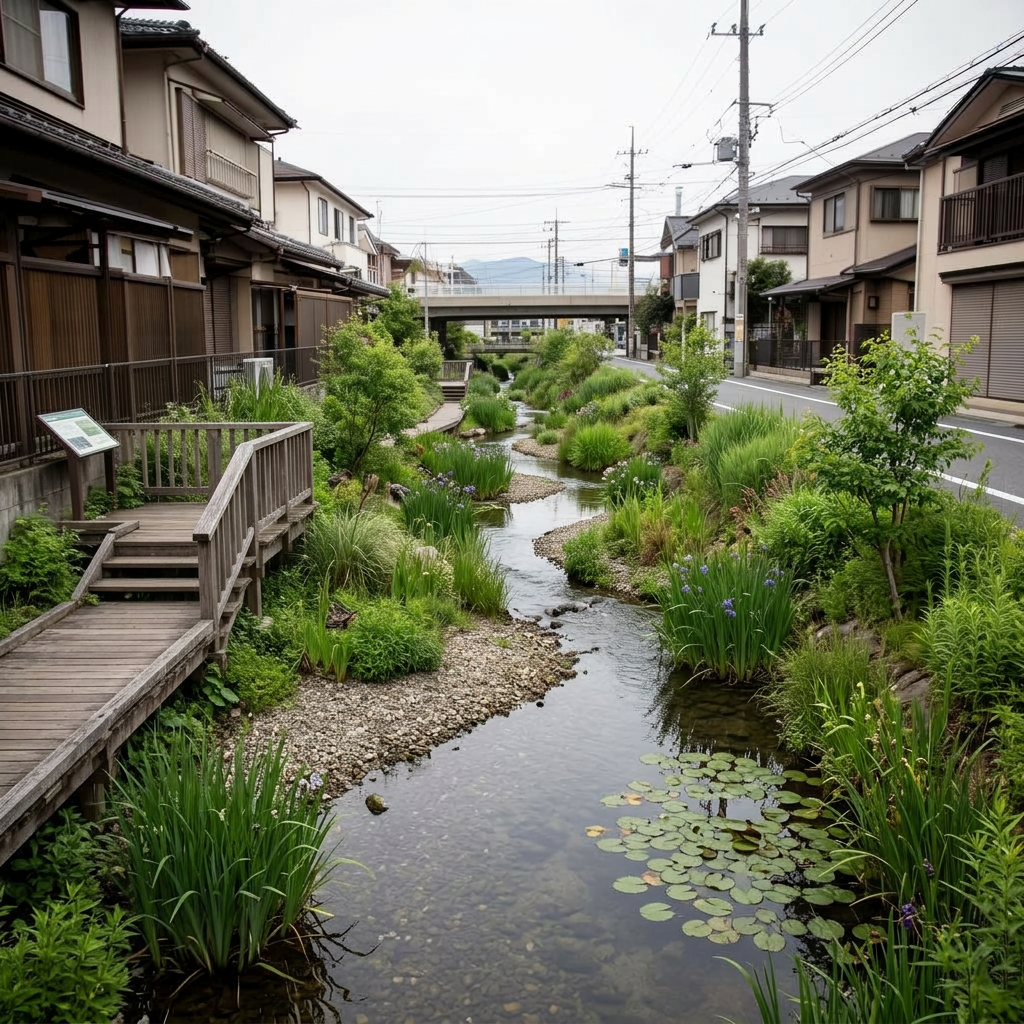
Bioswales, rain gardens, and constructed wetlands sized to your actual catchment and design storm.
Canopy, green roofs, and living systems designed to moderate heat where people actually move.
Pollinator corridors and habitat overlays that hold up in permits, ESG reporting, and community engagement.
See the possibilities in transformation...
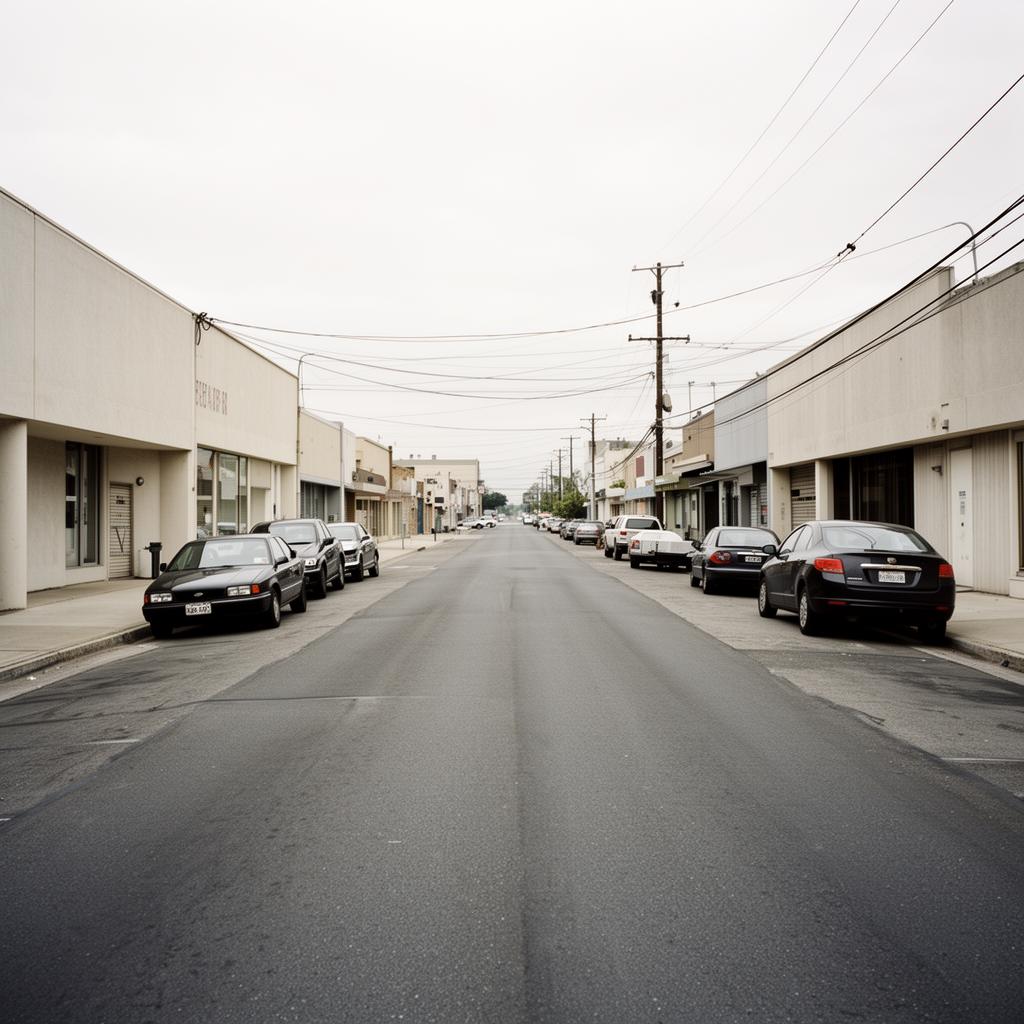
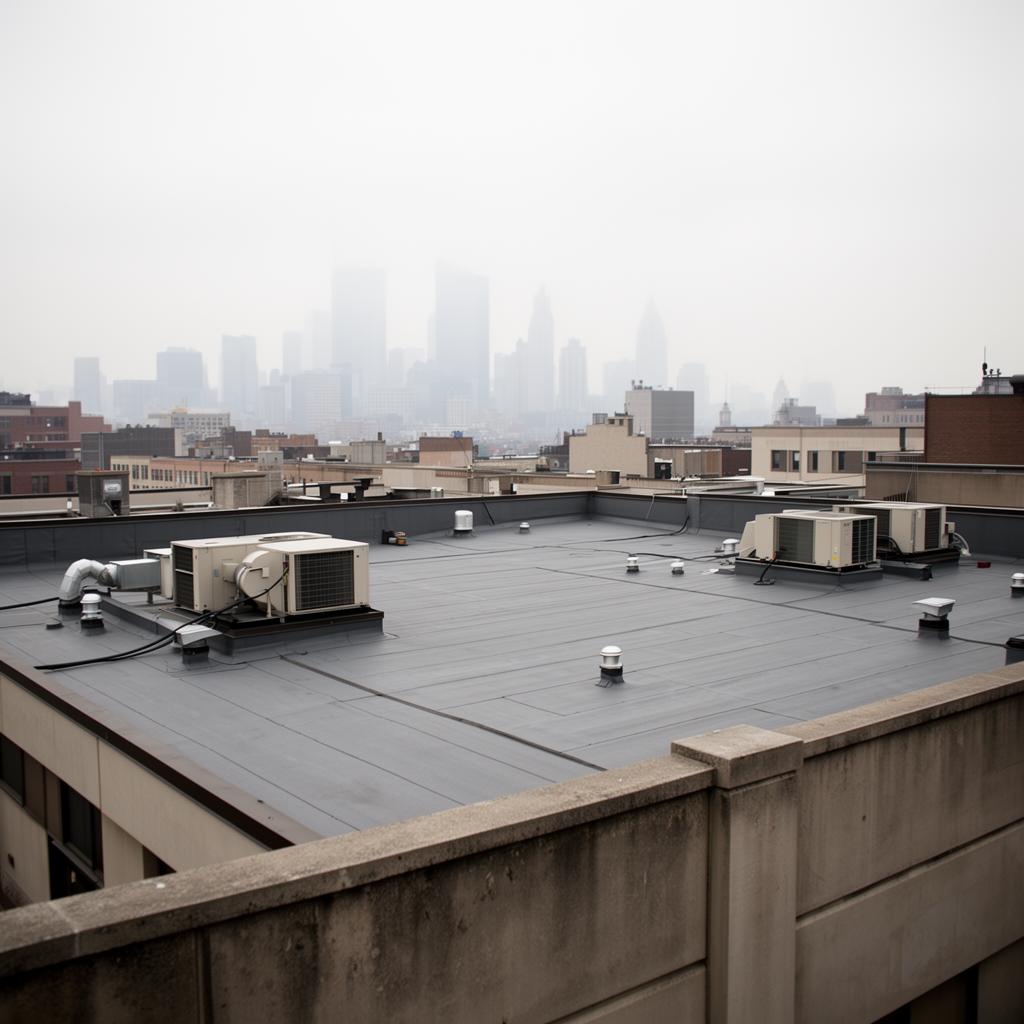
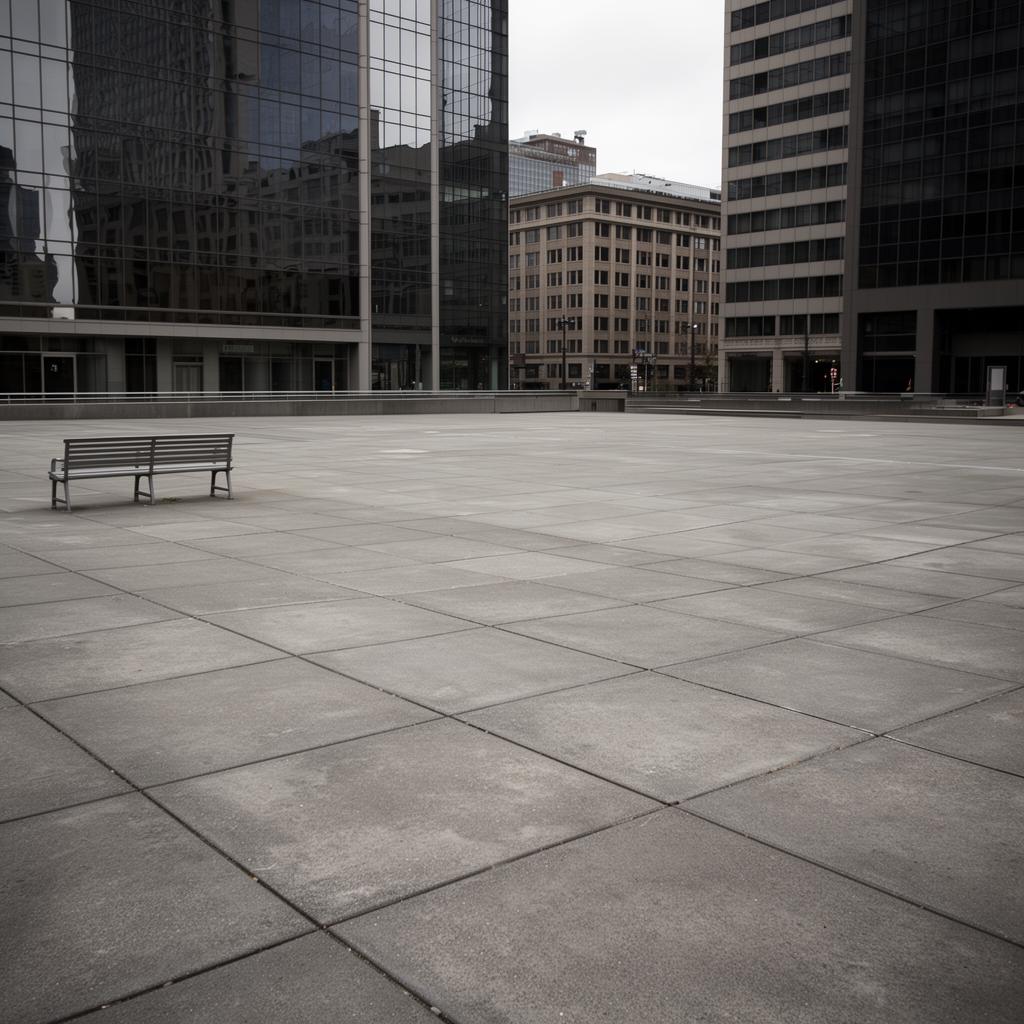
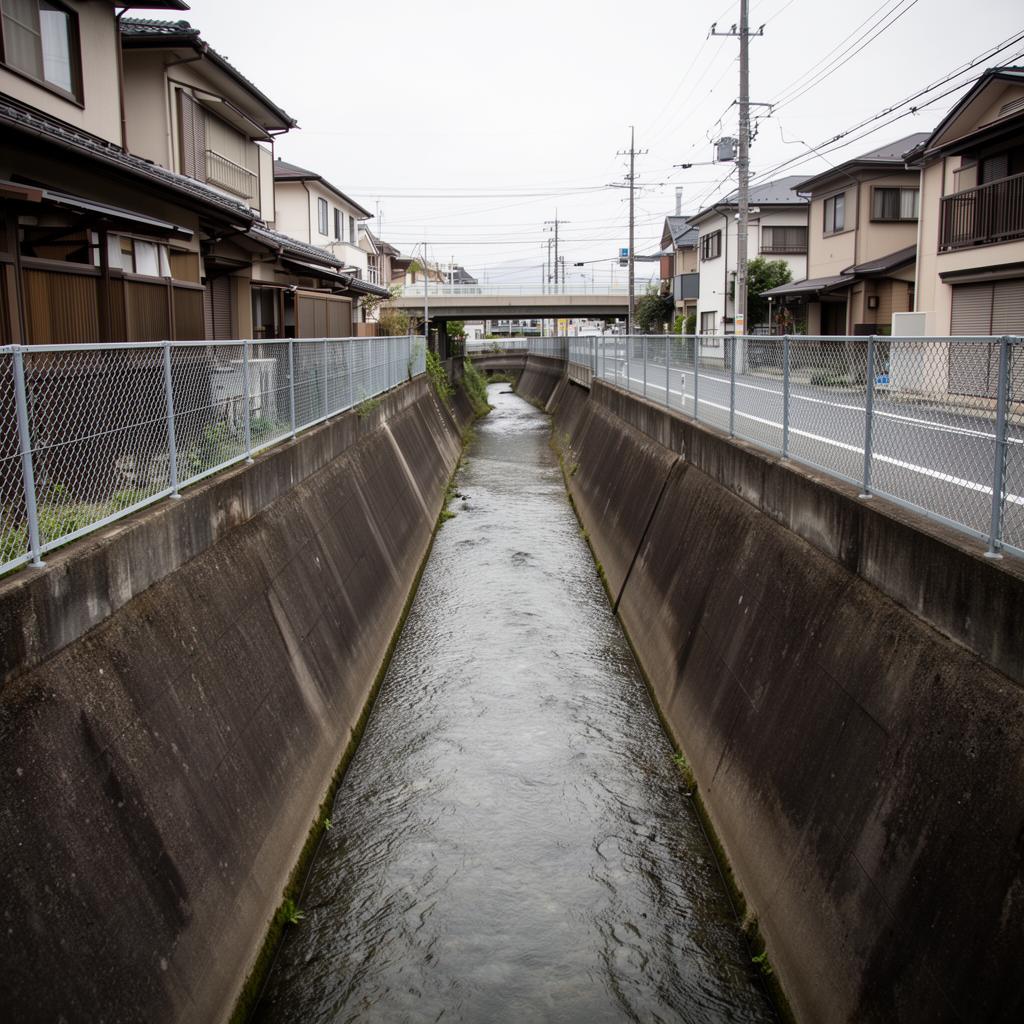
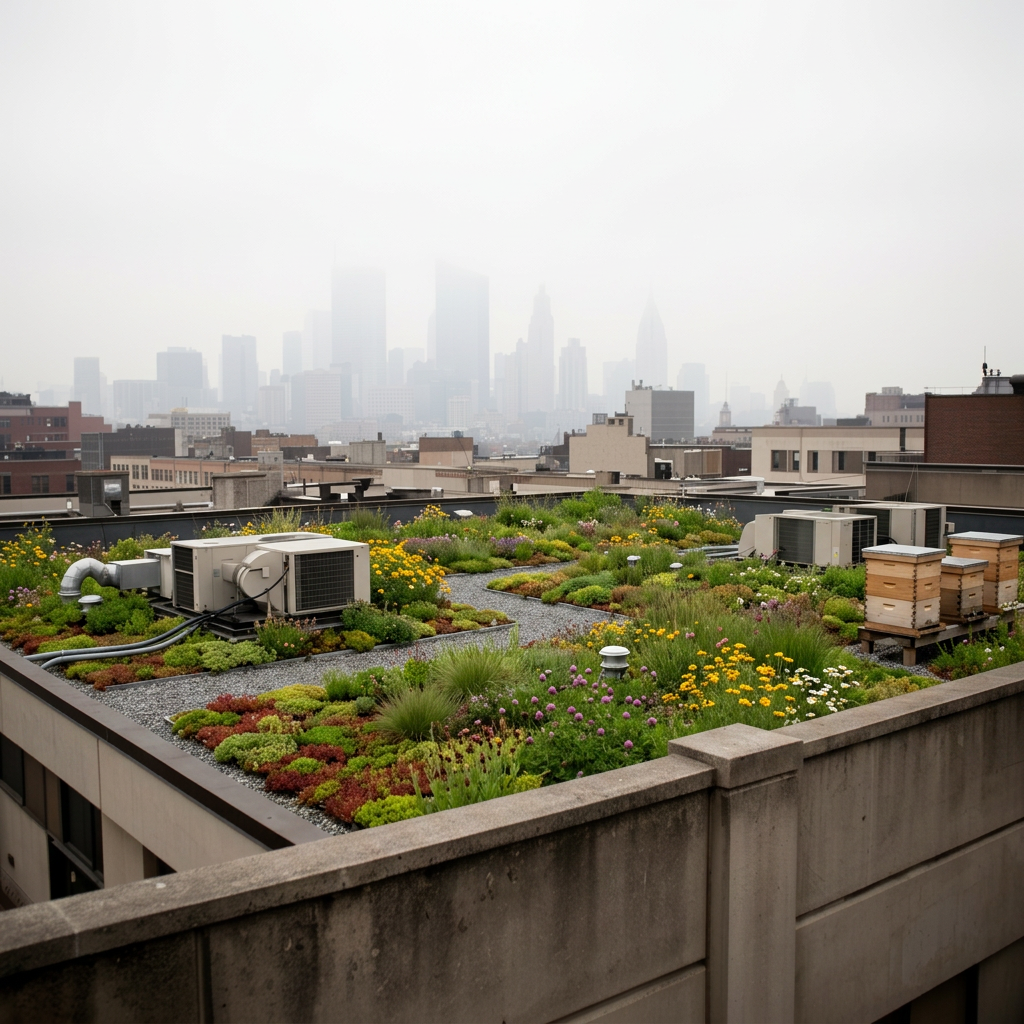
Same street, same parcel — what changes is whether the system absorbs the storm and lowers the temperature. Four representative arcs across the public and private realms.
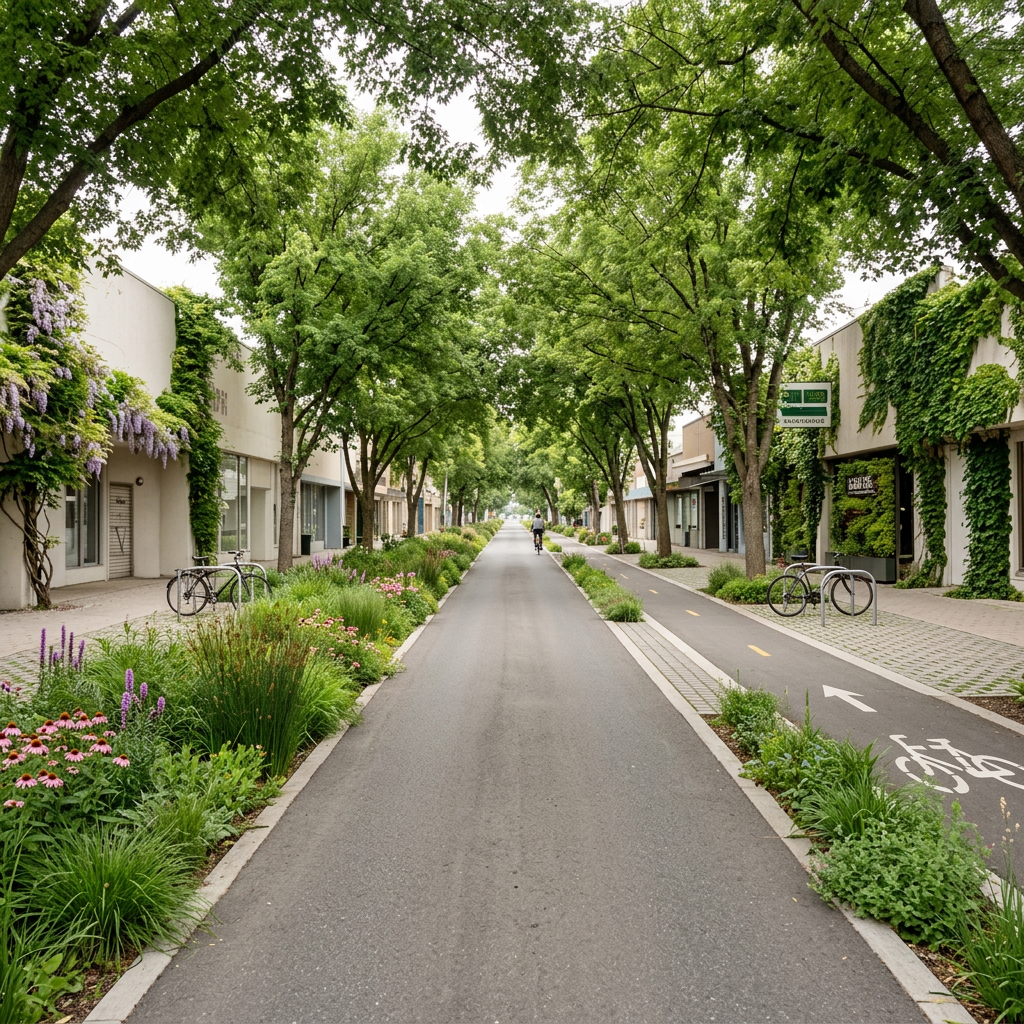
Sample outputs
Each engagement produces practical assessments, strategies, and recommendations that help clients make informed planning, design, and stewardship decisions.
A comprehensive design strategy for ecological infrastructure across the catchment or parcel.
Analysis of water flow, surface temperature, and intervention priority across the site.
Plant palettes and growing media specified to climate, slope, and building load capacity.
Comprehensive plan for biodiversity enhancement woven through the designed systems.
Preliminary evaluation of ecological performance, water management, habitat potential, and climate resilience.
Post-installation monitoring, carbon-offset readiness, and stakeholder-engagement toolkits.
Why it matters
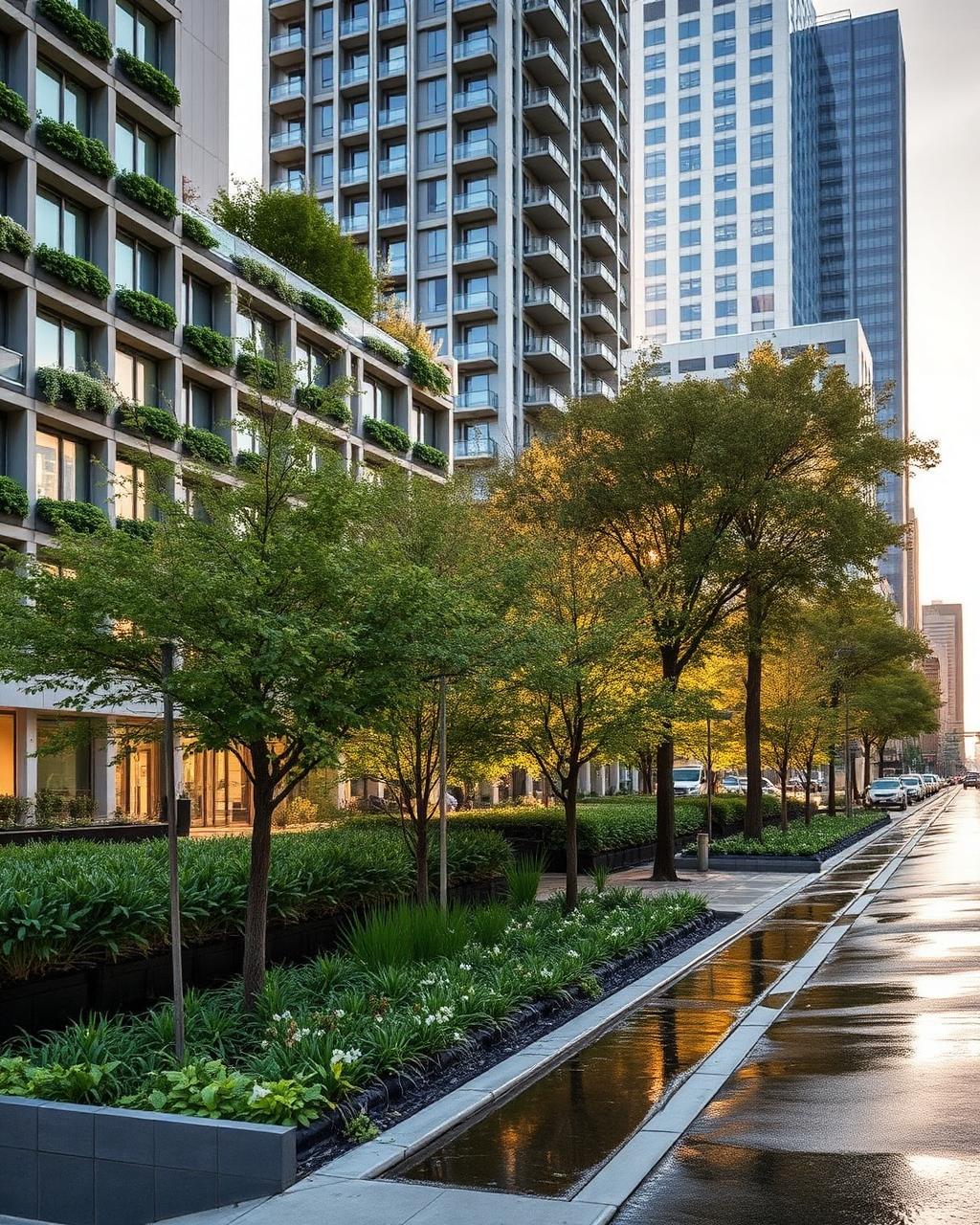
Over 80% of Canadians now live in urban areas, where extreme heat, flooding, and air pollution pose increasing health and infrastructure risk (Statistics Canada, 2021). Green and blue infrastructure offers proven, cost-effective responses: bioswales can reduce surface runoff by up to 90%, and green roofs can lower ambient temperatures by 1–4°C (EPA, 2021).
Ecologically, green and blue infrastructure creates habitat corridors, restores pollinator networks, and reconnects fragmented ecosystems. Socially, it improves access to green space, air and water quality, and community wellbeing.
Economically, it reduces long-term maintenance and energy costs, increases property value, and opens access to sustainability financing and urban-development incentives. Integrating nature into urban systems is no longer optional — it is essential infrastructure for 21st-century cities.
Case example
Green roofs, bioswales, and pollinator corridors across a downtown district.
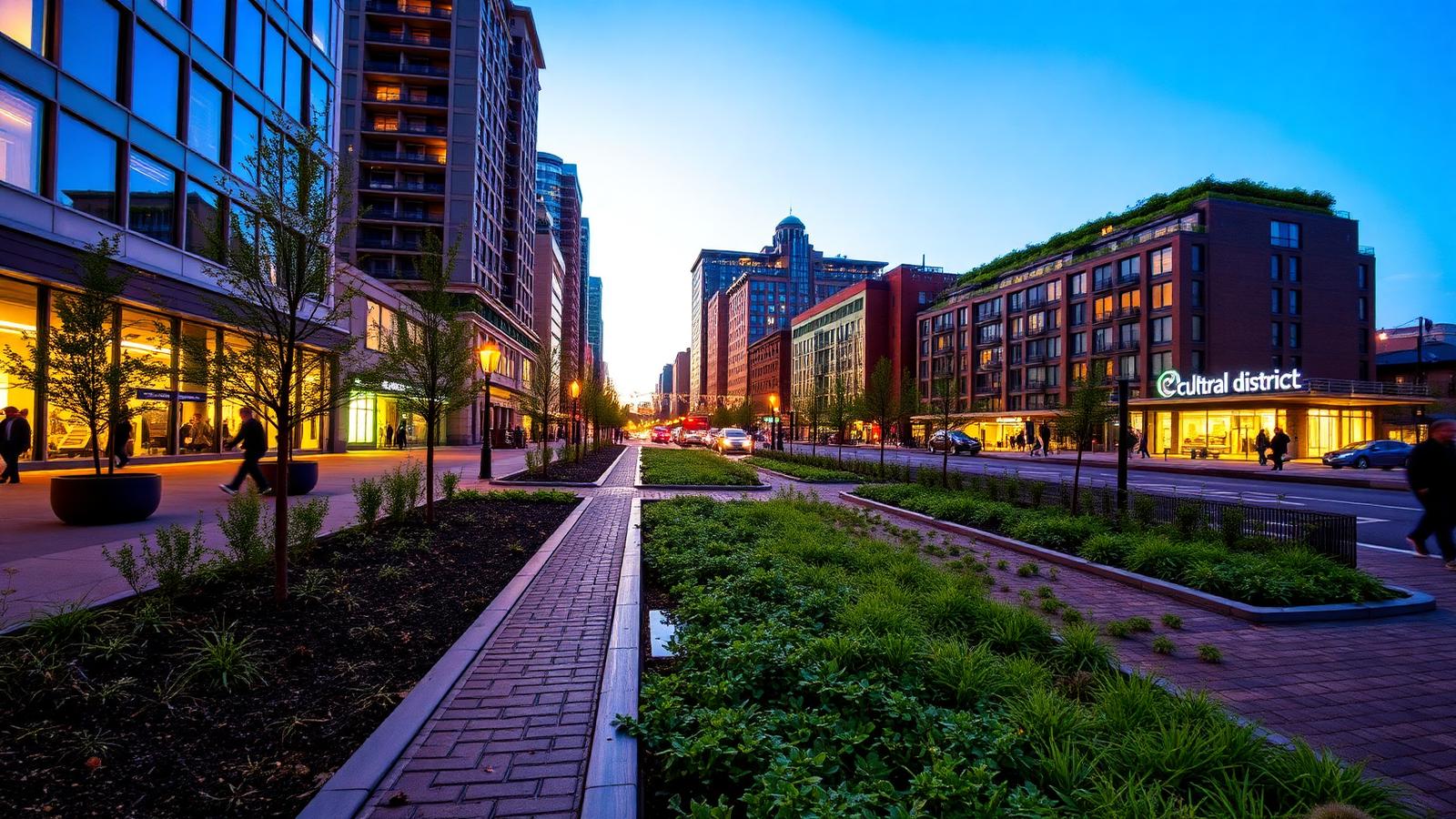
In Montréal's Quartier des Spectacles, a partnership between the city and private developers installed green roofs, bioswales, and pollinator corridors across multiple building sites.
The initiative reduced local flooding during peak storms by 65%, lowered rooftop temperatures by 3.2°C, and created new habitat for native bee and butterfly species — helping the city meet its climate-adaptation goals and supporting ESG reporting for private-sector partners.
Local flooding during peak storms
Rooftop temperature reduction
Habitat for native bees and butterflies
We evaluate site conditions and ecological opportunities to recommend green and blue infrastructure that supports long-term resilience.